Heritage Scaffold
Design
Node Group specialises in scaffold design for listed buildings, conservation areas and protected structures. Freestanding solutions, zero-tie designs and full structural calculations — engineered to protect irreplaceable historic fabric.
Scaffold Design for Listed Buildings and Heritage Structures
Heritage buildings present scaffold design challenges that standard approaches cannot solve. Conservation officers and structural engineers will not permit mechanical fixings into listed fabric. Ornamental stonework, decorative mouldings and fragile render demand protective measures that go far beyond padding and sheeting. The scaffold itself must be engineered from first principles — not adapted from a standard detail.
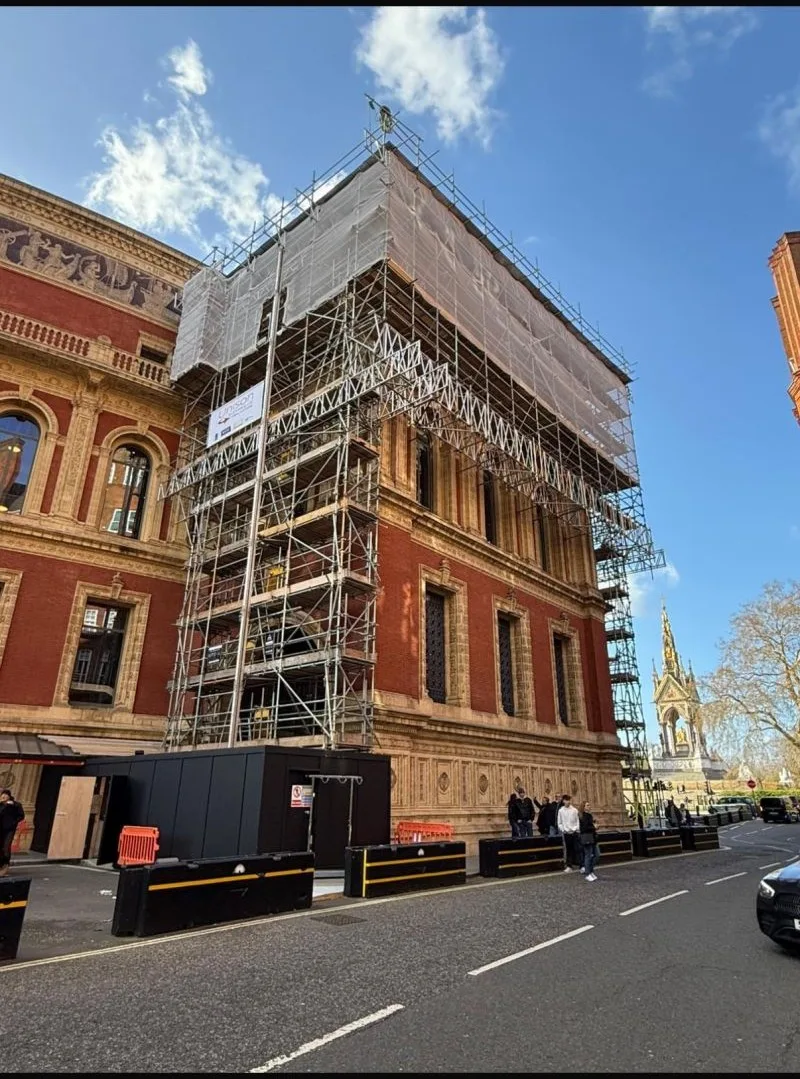
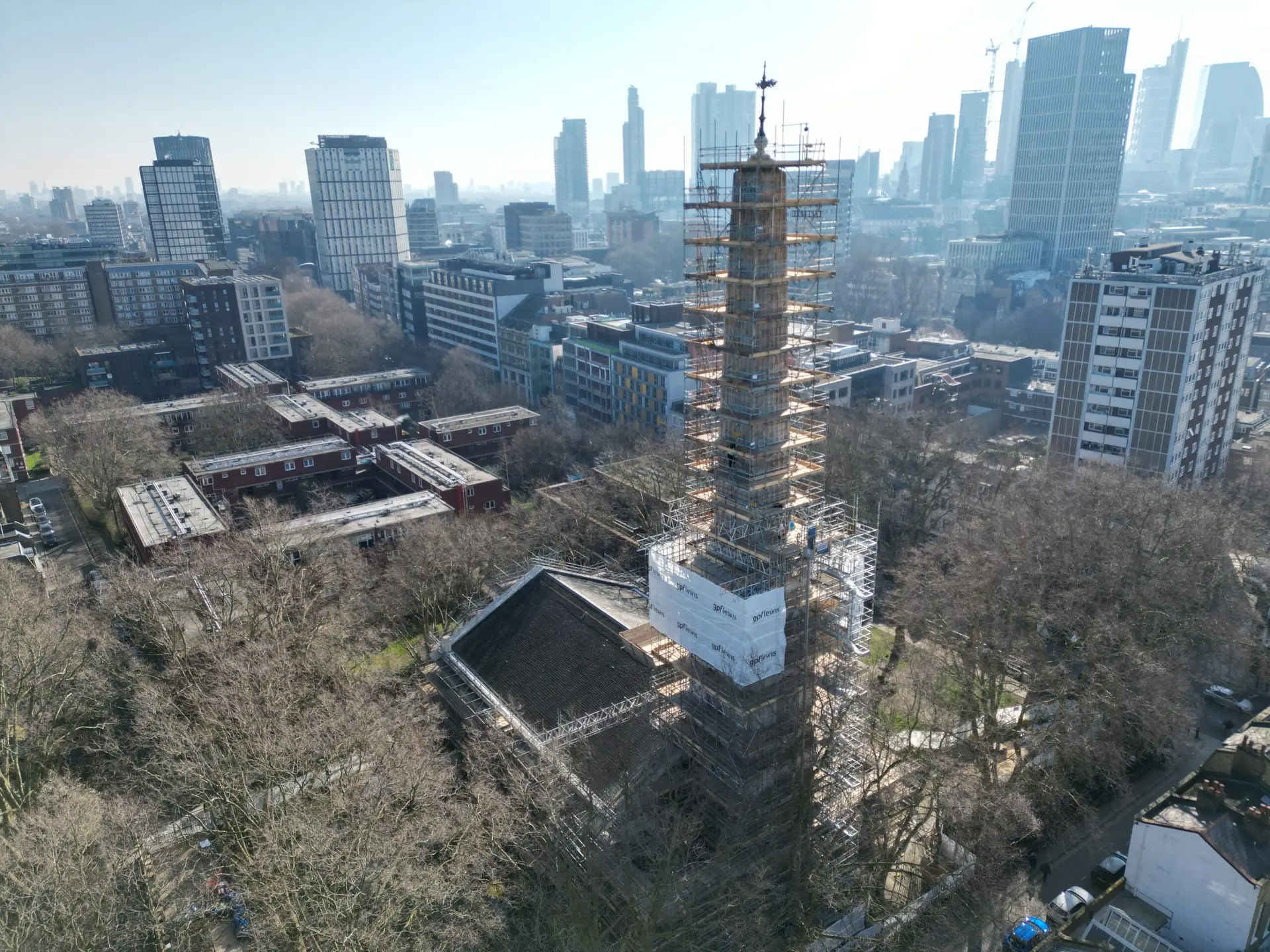
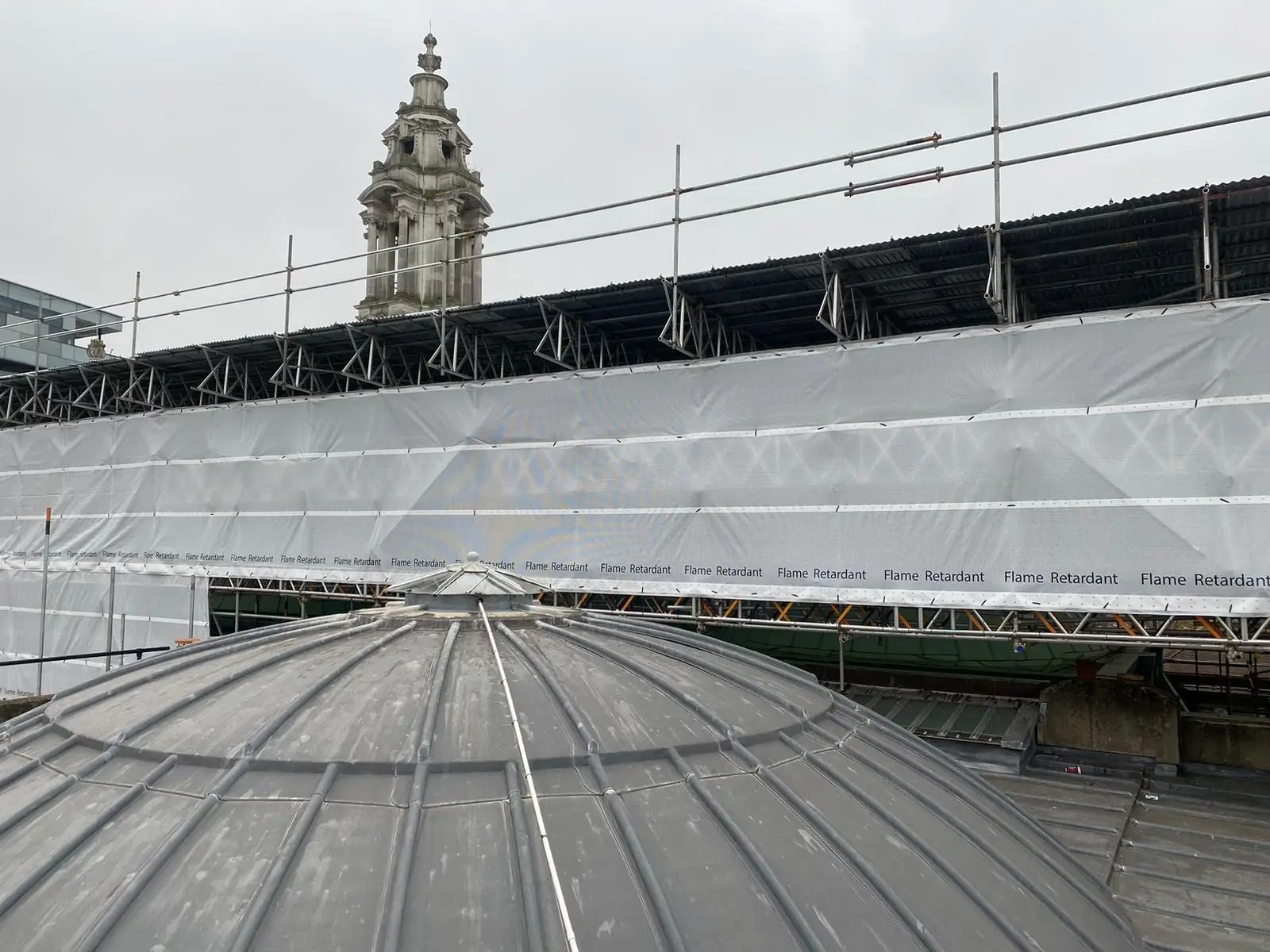
Node Group has designed scaffolding for some of the UK and Ireland's most significant heritage buildings. Our portfolio includes Grade I listed structures (Royal Albert Hall, LSO St Luke's Church), Grade II* (Woolwich Town Hall) and protected structures under Irish heritage frameworks (Garda HQ, Phoenix Park). This depth of heritage-specific experience is rare in the UK scaffold design market.
Every heritage scaffold design we produce is a freestanding or minimally-tied solution. Stability is achieved through engineered buttress frames, kentledge and bracing arrangements — not through ties drilled into irreplaceable masonry. We produce full structural calculations and detailed 2D construction drawings on every project, with a complete 3D model on the majority of heritage jobs — particularly where curved geometry or tie-position coordination would be unclear from 2D drawings alone.
Heritage Design Solutions
Zero ties into historic fabric. Stability achieved through engineered buttress frames and kentledge, fully calculated for wind and imposed loading. The default approach for any listed building where fixings are not permitted.
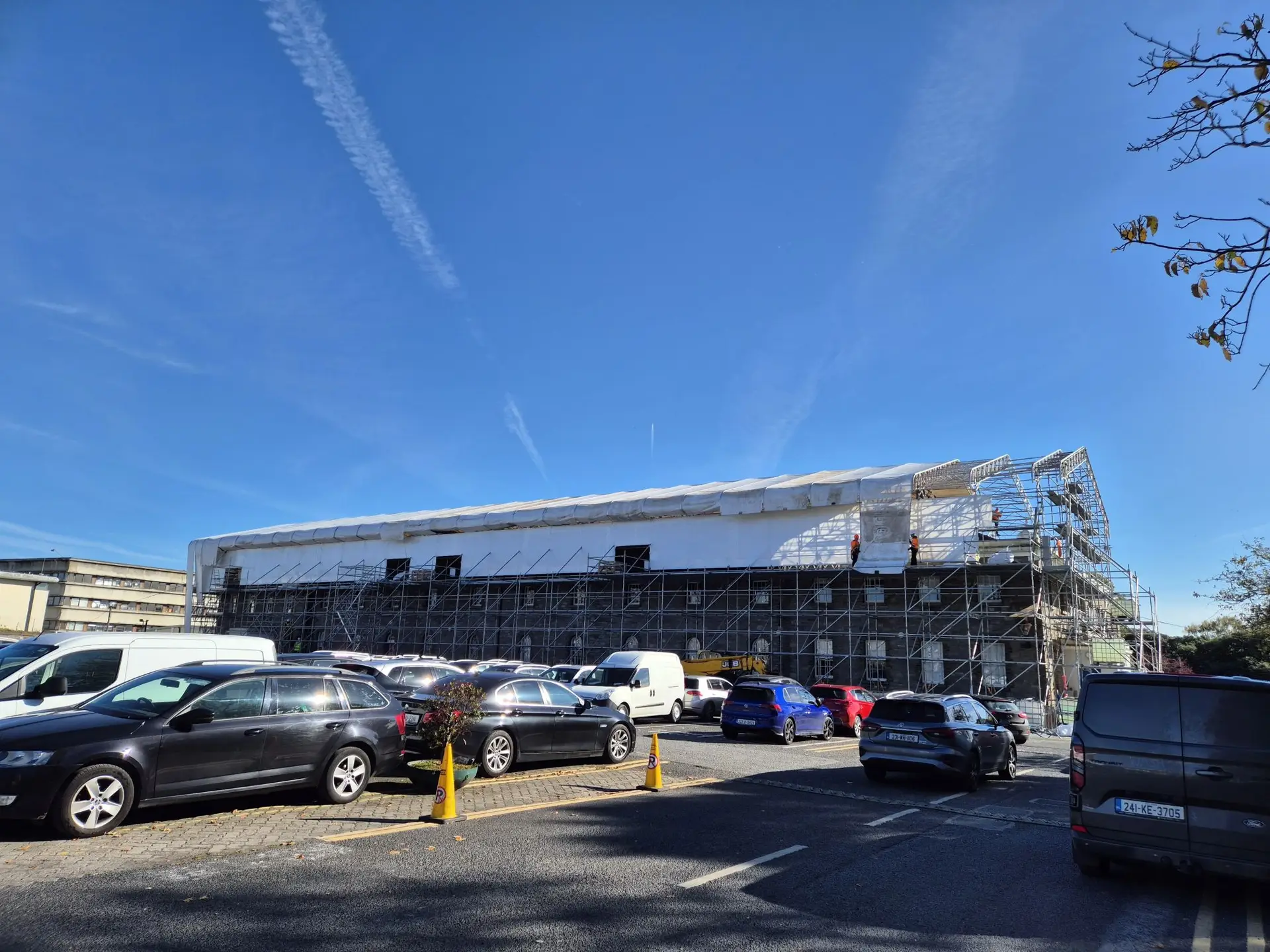
Weather protection for roofing works on listed buildings. Full wind loading analysis, beam span calculations and sheeting details. Designed to protect the structure during extended conservation programmes.
Designs following non-standard building profiles — curved facades, domes, spires and clocktowers. Heritage buildings rarely have flat elevations, and the scaffold must follow the structure precisely to provide safe working access.
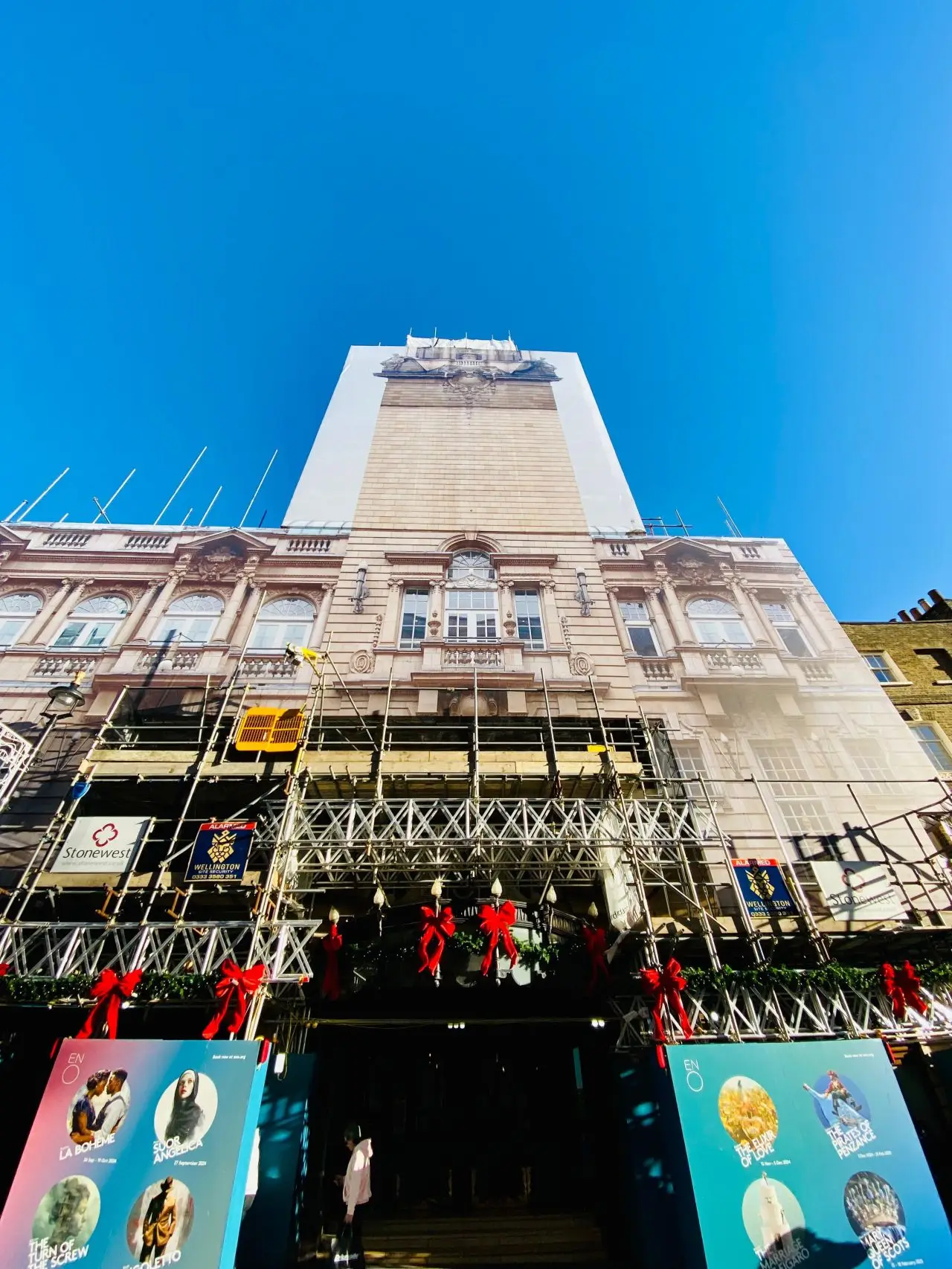
Heavy-duty gantries maintaining public access around heritage sites on busy streets. Engineered for pedestrian and vehicle loading with full structural calculations to satisfy highway authority requirements.
Heritage Projects
Node Group has delivered scaffold designs on heritage buildings ranging from Grade I concert halls to 19th-century protected structures in Ireland. Each project required a bespoke engineering solution — no two heritage scaffolds are the same.
Frequently Asked Questions
Can you design scaffolding for Grade I listed buildings?+
Yes — this is core work for Node Group. We have designed scaffolding for Grade I listed buildings including the Royal Albert Hall and LSO St Luke's Church. Every heritage design avoids fixings into the listed fabric, using freestanding solutions with engineered buttress frames and kentledge to achieve stability without tying into the building.
What is a freestanding scaffold?+
A freestanding scaffold achieves stability without tying into the building. Instead of mechanical fixings drilled into the facade, stability comes from buttress frames projecting outward at the base, kentledge (counterweights) and engineered bracing arrangements. This approach is essential for heritage buildings where ties would damage historic fabric. Every freestanding design requires full structural calculations to verify stability under wind and imposed loading.
Do you work with English Heritage / Historic England?+
Yes. We have experience working within both English Heritage and Irish heritage regulatory frameworks. Our designs are produced to satisfy conservation officer requirements, with full documentation packages that demonstrate how the scaffold protects the listed structure throughout the works programme.
Can you design temporary roofs for listed buildings?+
Yes. Woolwich Town Hall and Garda HQ both included large-span temporary roofs over heritage structures. We design the full temporary roof package — beam spans, sheeting details, wind loading analysis and connection details — ensuring the listed building is fully protected during roofing and conservation works.